
A fintech marketing director in Manila opens three dashboards on Monday morning. One manages SMS transaction alerts for customers in Cebu. Another runs WhatsApp promotional campaigns in Davao.
A third tracks Rich Communication Services (RCS) delivery rates for Android users in Quezon City. Each channel has a different vendor, a different billing model, and a different set of compliance rules.
The SMS vs WhatsApp question used to be straightforward: pick the channel that fits your market.
Now, with RCS gaining ground fast, Philippine businesses face a three-channel decision, and the complexity that comes with it.
SMS: Still the Channel Every Phone Can Reach
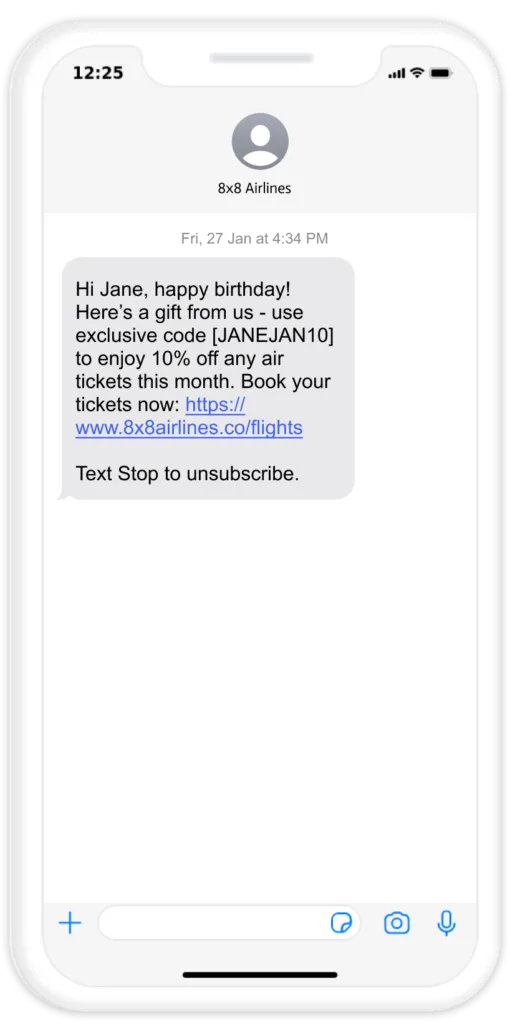
SMS works on every mobile phone, smartphone or not, with or without an internet connection. That universal reach makes it the default for time-sensitive messages.
Widely cited industry benchmarks put SMS open rates at around 98%, with most messages read within minutes of delivery. For transaction alerts, one-time passwords, and delivery updates, no other channel matches that speed.
SMS has hard limits, though. Messages are capped at 160 characters with no support for images, buttons, or carousels.
For Philippine businesses messaging across APAC, compliance adds a further challenge. Sender ID regulations differ by country, creating overhead for multi-country APAC campaigns.
Those constraints push businesses toward richer channels for engagement, even as SMS stays essential for reach and reliability.
WhatsApp: Where Business Conversations Are Growing in the Philippines
In the Philippines, Facebook Messenger and Viber remain the everyday consumer favorites, while WhatsApp is growing in B2B messaging. Data puts global users at 2.9 billion, with penetration above 90% in Spain, the UAE, Saudi Arabia, Nigeria, and South Africa.
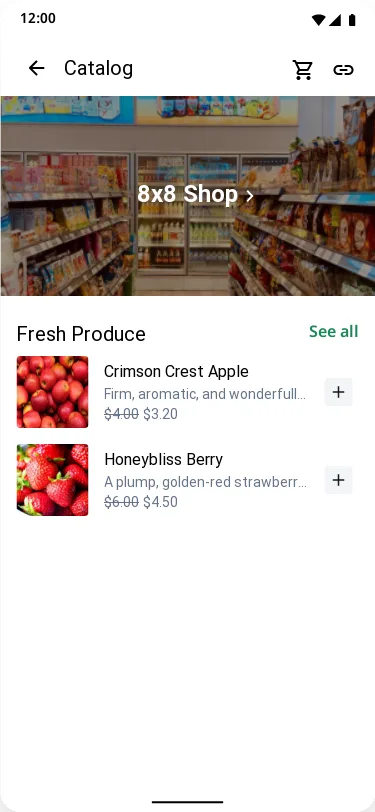
The platform supports rich media, interactive reply buttons, product catalogs, and end-to-end encryption. Those features make it a strong fit for customer service, product consultations, and post-purchase follow-ups.
A few guardrails shape how marketers use the channel. The Data Privacy Act of 2012, overseen by the NPC, requires clear, informed consent for marketing messages, and double opt-in is widely recommended as best practice to prove that consent. Meta also reviews message templates before they go live, so it pays to build that step into campaign timelines.
Meta also caps marketing messages at roughly two per user per day across all brands combined, a rule that keeps inboxes valuable and engagement high.
That cap keeps WhatsApp as one strong channel in a wider mix rather than the only one. Adoption also varies from market to market, with the UK at 82.6%, compared to Spain’s 90.6%, so pairing WhatsApp with other channels widens your reach.
RCS: Rich Messaging Without the App Download
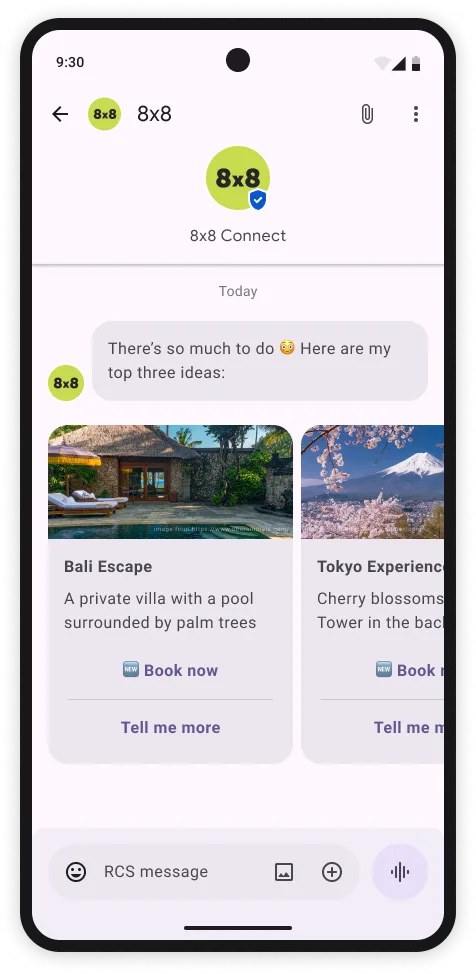
RCS adds app-like features to the native messaging inbox on Android devices. Carousels, verified sender badges, read receipts, and suggested replies all work without a separate app download.
Adoption is accelerating. Global RCS Business Messaging traffic hit 50 billion messages in 2025, a 50% year-over-year increase, according to Juniper Research.
Carrier rollout is expanding across APAC, but support varies by country and by operator. Confirm current RCS Business Messaging coverage in the Philippines with your carriers and CPaaS provider before planning campaigns.
Coverage gaps remain, though. Some APAC markets have limited RCS business messaging support, and older devices need automatic SMS fallback.
Businesses can’t treat RCS as a standalone channel yet, but its trajectory makes it a critical part of the mix.
Read More: Boost Engagement with RCS: The Next Generation of Messaging
Why a Single Channel Falls Short in the Philippines
Each channel has a clear strength, and where one reaches its limit, another picks up. SMS reaches every phone, WhatsApp adds interactive engagement, and RCS brings rich media to the native Android inbox.
Used together, they cover far more of the Philippine market than any single channel can on its own, across devices, regions, and message types.
A campaign spanning several APAC markets works with a short, predictable set of variables: different Sender ID rules, varying WhatsApp adoption, and expanding RCS coverage.
Each market simply sets its own rules, so confirm current Sender ID requirements for the Philippines with your carrier and SMS provider. Mapping these once at setup is enough to run campaigns cleanly across every market you reach.
Handling those differences from one platform, instead of juggling separate vendors, keeps the operational load steady as you add markets.
Building a Three-Channel Messaging Strategy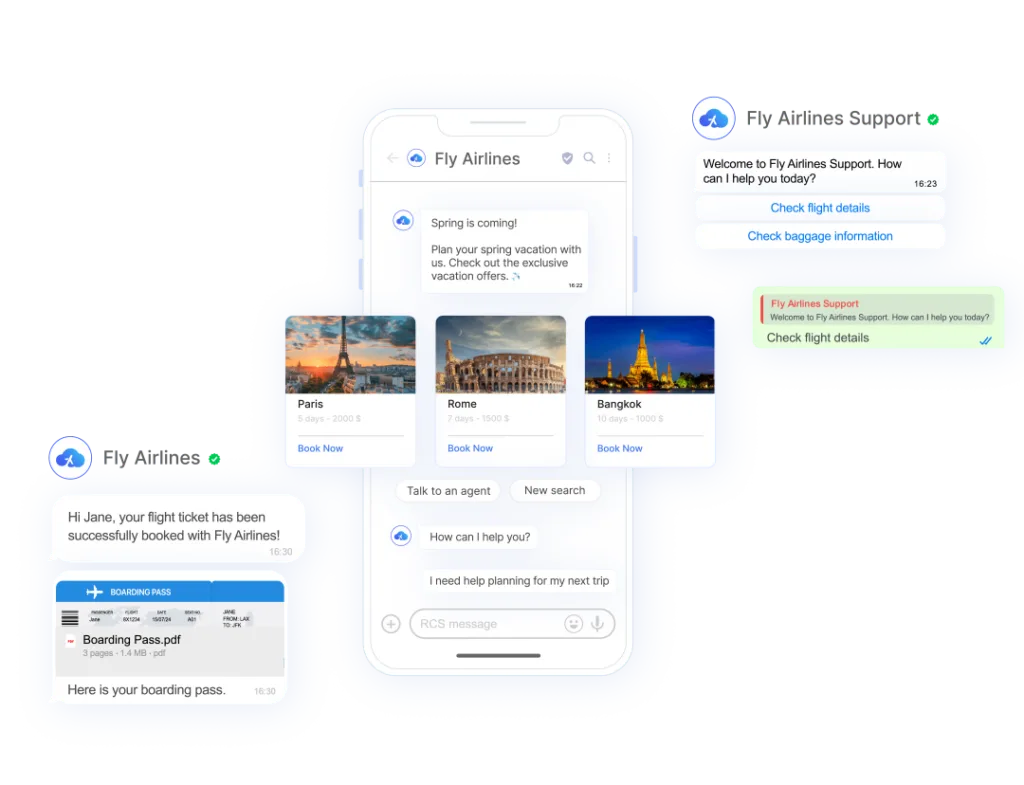
A practical multichannel approach starts with matching each channel to its strongest use case, then connecting them through shared routing and compliance.
Match Channels to Use Cases and Markets
- SMS is strongest in the transactional layer: delivery confirmations, appointment reminders, and authentication codes, where reliability matters more than engagement.
- WhatsApp is strongest for conversational engagement where adoption is growing, such as B2B in the Philippines, including customer service and post-purchase follow-ups.
- RCS is strongest for promotional content aimed at Android users: product carousels, interactive offers, and rich brand experiences.
Design Automated Fallback Paths
When WhatsApp can’t reach a user, the platform should fall to RCS. If RCS isn’t supported, the fallback drops to SMS.
Building that fallback logic in-house takes engineering time. A Communication Platform as a Service (CPaaS) provider can handle it through pre-built routing.
Unify Compliance Across Markets
Each channel carries different consent requirements: SMS opt-in, WhatsApp double opt-in under the Data Privacy Act of 2012, and RCS consent rules that vary by carrier.
With 84% of consumers opting into business SMS in 2025, consent management across channels becomes a competitive advantage, not just a legal obligation.
Read More: How to Master Channel Orchestration with SMS, WhatsApp, and Video
How 8×8 Brings SMS, WhatsApp, and RCS Together
Enterprise Reach and Compliance
8×8 connects all three channels through a single API backed by 160+ carrier networks across 190+ countries.
Businesses integrate once with the Omnichannel Messaging API, then manage all messaging from one platform.
That single connection runs on a 99.999% uptime SLA. For a fintech sending payment alerts and OTPs across three channels, SOC 2 Type II and ISO 27001 cover how that data is handled in transit and at rest, and PCI DSS applies specifically to anything that touches cardholder data, so compliance doesn’t need separate sign-off per channel.
Rich Channel Capabilities
Each channel gets specific capabilities. The SMS API uses intelligent routing to pick the fastest carrier path per message and adjusts the Sender ID format automatically for each country’s registration rules.
Alongside the SMS API, WhatsApp Flows lets businesses build interactive forms, appointment bookings, and product browsing directly inside the chat thread.
RCS Business Messaging then adds verified sender badges that display a brand’s logo and colors in the native Android inbox.
Rich cards support images, descriptions, and action buttons, with up to 10 cards in a swipeable carousel.
Orchestration and Analytics
That fallback sequence runs through the same single API, so switching a campaign from WhatsApp to RCS to SMS needs no custom development or separate integration work.
8×8 Connect also provides a no-code platform where marketing teams build and manage SMS and WhatsApp campaigns without writing code. Its drag-and-drop Automation Builder handles triggered sequences like cart abandonment reminders and re-engagement flows.
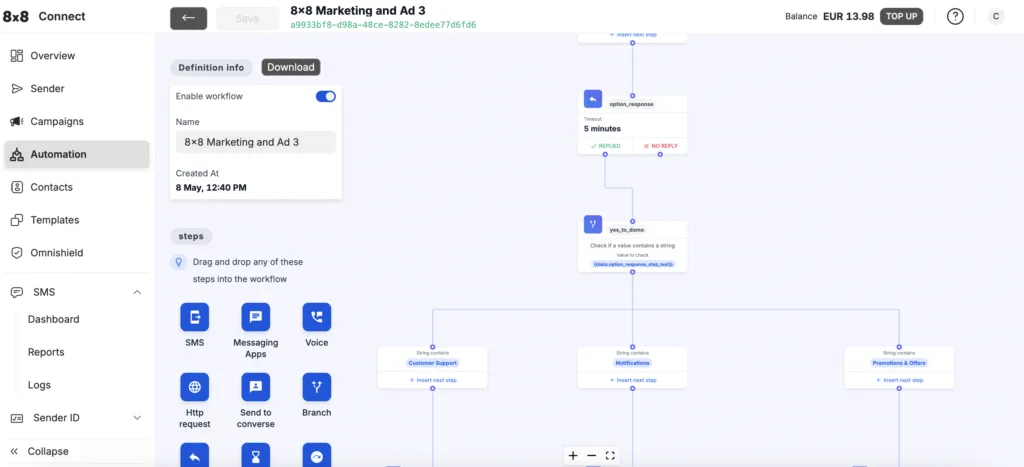
Real-time delivery analytics track open rates, click-throughs, and fallback percentages per channel and per market from one screen.
For businesses running messaging at scale, 8×8’s omnichannel messaging platform ties channel performance, compliance controls, and Sender ID management into a single operational view.
SMS vs WhatsApp vs RCS: Which Should Power Your Philippine Strategy?
The SMS vs WhatsApp question isn’t either/or anymore. Businesses that combine SMS, WhatsApp, and RCS reach more customers, in more markets, with the right format for each interaction.
The harder part is running all three without separate vendors, separate dashboards, and separate compliance workflows.
Running SMS, WhatsApp, and RCS from one platform starts with seeing how your current setup maps onto it. Contact 8×8 for a messaging readiness review in the Philippines, or start testing the SMS, WhatsApp, and RCS APIs directly in a sandbox.
FAQ – SMS vs WhatsApp
- What’s the main difference between SMS, WhatsApp, and RCS for businesses? SMS offers universal reach on any phone without internet; WhatsApp provides rich, encrypted conversations in markets with high app adoption; RCS delivers app-like features through the native Android messaging inbox.
- Can businesses use SMS and WhatsApp together in one campaign? Yes. Many businesses use WhatsApp for promotional engagement and SMS as a fallback for users who don’t have the app, or for transactional messages requiring guaranteed delivery.
- Is RCS business messaging available across all APAC markets? RCS carrier support is growing, but coverage varies by country and operator. Businesses should pair RCS with SMS fallback to ensure full coverage.
- How does the Data Privacy Act of 2012 affect business messaging on SMS and WhatsApp? The Data Privacy Act of 2012 requires clear consent for marketing messages on both channels. Double opt-in is widely recommended for WhatsApp, while SMS consent rules vary by country-specific regulations.
- What’s the best messaging channel for customer engagement in the Philippines? There isn’t a single best channel. WhatsApp leads where app adoption is high, while SMS remains the most reliable for universal reach across every market.